We are a consulting engineering firm operating under the Engineering, Procurement, Construction, and Consulting (EPCC). We expand our clients’ capabilities by offering reliable and modern solutions through the integration of technologies, compliance with codes, and the implementation of best practices; through basic and detailed engineering, owner’s engineering, and logistical support for projects in Oil & Gas, Fire Protection, and Energy & Control.

About Us
Committed to fire, electrical, process, and building safety. When it comes to personnel safety and asset protection, there can be no shortcuts.
We are a dedicated, multidisciplinary team that works hard to ensure our clients' satisfaction.
We are an engineering consulting firm operating under the Engineering, Procurement, Construction, and Consulting (EPCC) model. With a track record spanning more than 25 years in the petrochemical (oil and gas), energy production, mining, and industrial and service sectors, as well as our team’s expertise—backed by relevant certifications—we are able to meet the required qualifications across the various fields in which we operate.

Let’s work together to create sustainable and innovative construction solutions with a safe, reliable, and modern approach
Our team’s experience allows us to deliver high-quality projects that are both sustainable and efficient. Join us in turning your ideas into lasting realities. Schedule an appointment today!
Our Services
Professional Consulting Services
Natural Gas
- Scope and definition of projects with basic engineering (FEED).
- Consulting Services: Engineering, Procurement, Construction, and Consulting (EPCC).
- Large- to medium-scale LNG import and regasification terminals.
- LNG regasification satellite plants (PSR).
- LNG refueling stations for trucks.
- Gas pipelines
- Vehicle Service Stations (VSS).
- HAZID, HAZOP, and FRA/QRA studies.
- Start-up and commercial operation.
- Pre-planning for emergency response.
- Inspection and Compliance Audits of LNG Plants and Gas Pipelines in accordance with NFPA 59A, UNE 60210, UNE-EN 1473, and ASME B31.8 standards.
- Training
Fire Protection
- Scope and definition of front-end engineering design (FEED) projects.
- Consulting Services: Engineering, Procurement, Construction, and Consulting (EPCC).
- HAZID, HAZOP, and FRA/QRA studies.
- Startup
- Inspection, Testing, and Maintenance (IPM): Fire and gas systems and detection systems; suppression systems using clean agents and water-based agents.
- Fire Safety
- Asset protection based on insurance criteria.
- Pre-planning for emergency response.
- Inspection and audit of compliance with the NFPA code, as applicable.
- Training
Energy & Control
- Scope and definition of front-end engineering design (FEED) projects.
- Consulting Services: Engineering, Procurement, Construction, and Consulting (EPCC).
- Switchgear
- Motor control centers and control panels (MCC/PB).
- Emergency and Automatic Transfer Systems (ATS & EPPS).
- Energy efficiency and power factor correction (pf).
- Grounding and lightning protection systems.
- Inspection and audit of compliance with NFPA 70 (NEC).
- Electrical safety in accordance with NFPA 70E.
- Training
Sectors in which we operate
Our experience and expertise enable us to tackle complex projects while delivering exceptional results.
- Petrochemical Industry
Experience with the processing of useful raw materials derived from oil and gas. The processes for producing petrochemicals are carried out in refineries and involve physical and chemical changes to hydrocarbons through a process knownas cracking.
- Fire Protection
Consulting firms specializing in fire safety, code compliance inspections and audits as applicable, and fire risk assessment (FRA) using the QRA method.
- Energy and Power
Energy project management; energy production using conventional and natural gas systems, as well as combined heat and power (CHP) systems and specialized equipment powered by natural gas and LPG.
- Mining and Metallurgy
Energy efficiency management through the conversion of specialized equipment, such as boilers and kilns, from diesel and LPG to natural gas.
- Industrial Sector
Understanding how the industrial sector works and its relationship with other major sectors helps provide a better understanding of how its work supports the economy as a whole.
SEICO offers a wide range of consulting services in this sector, including the beverage and food industries.
- Service Sector
The tertiary sector, or services sector, includes activities that generate intangible benefits, such as tourism, healthcare, and safety in high-capacity buildings. We offer a wide range of consulting services that enhance the safety and reliability of these spaces.
Project Portfolio
SEICO is currently evaluating various projects as part of its operations in the Dominican Republic, Puerto Rico, the Caribbean region, and South America.


Testing & Commissioning
Equipment testing, commissioning, and operational integration—both in the factory and on-site—are crucial phases of the process, ensuring that all components and systems are installed, tested, and operating in accordance with design requirements. When these stages are carried out correctly, the facility achieves its intended integrity and purpose. A multidisciplinary and experienced team is vital to achieving this goal.


Gas pipelines & stations
The metering and regulating station, located at the starting point or end of the line, as well as the shut-off valves (BVS/ESDV), constitute the essential safety equipment of a gas pipeline. To ensure the equipment performs correctly, an inspection, testing, and maintenance program is essential for its proper operation. Correct operation, qualified personnel, and ongoing training are vital to the safety and operational reliability of the system.
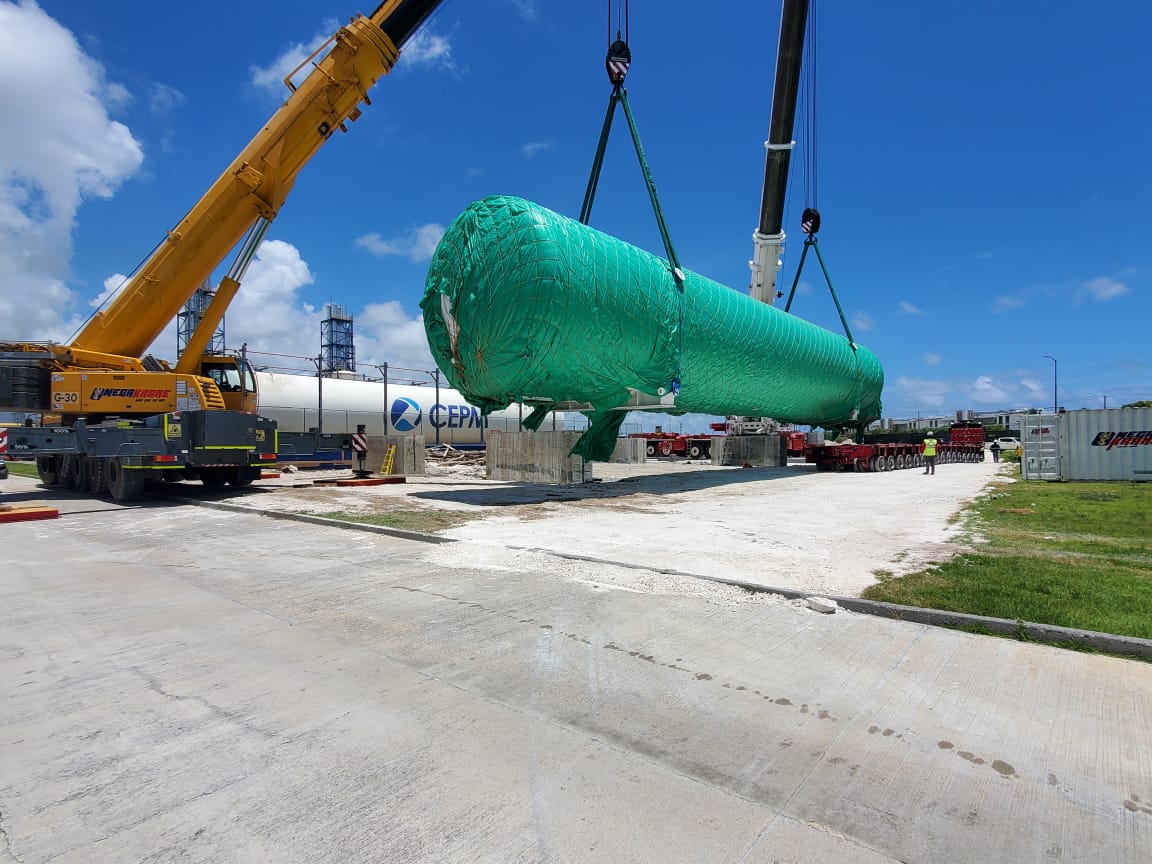
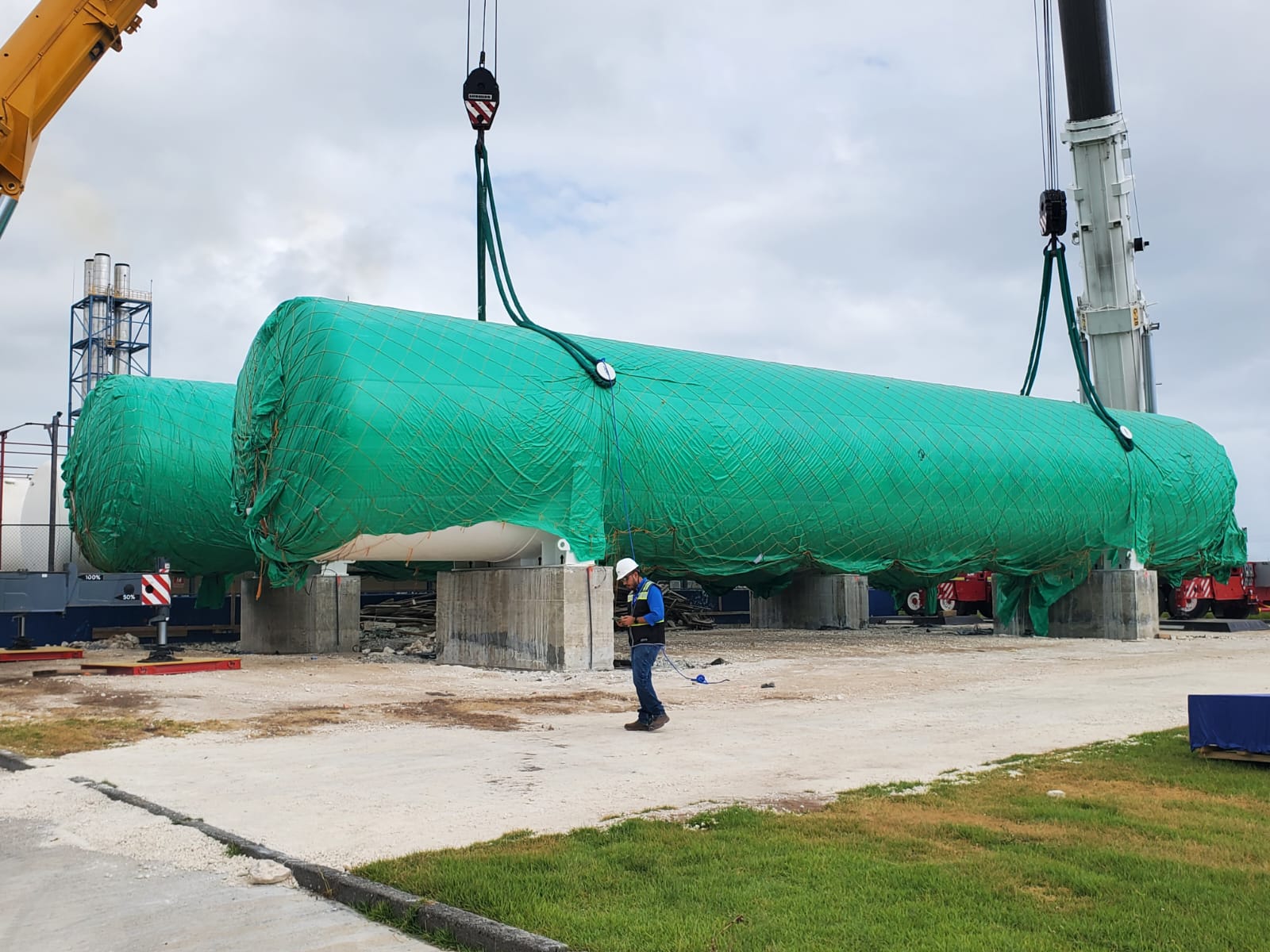
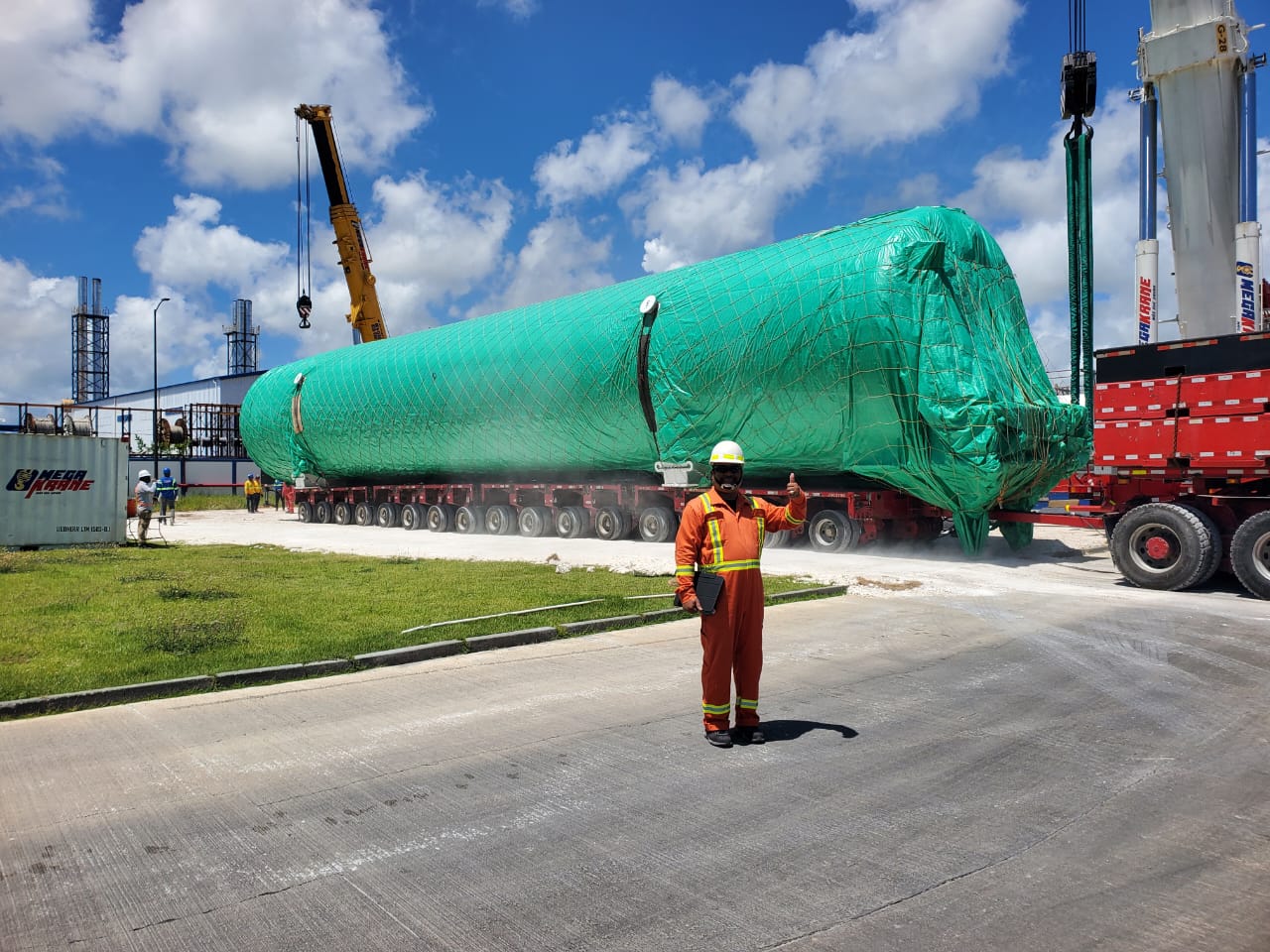


LNG PLANTS & SPECIAL EQUIPMENT
The natural gas industry (LNG/NG) is highly reliable, environmentally friendly, and has an excellent safety record. With more than 60 years of commercial operation, public safety has always been the top priority. This is reflected in the technology’s enviable HSE record, with nearly zero reportable incidents worldwide. The use of natural gas has seen a steady rise, particularly over the last 30 years, becoming a cornerstone of the global economy.


fire protection
The primary goal of fire protection is to safeguard lives, property, and the organization’s mission continuity.
The fire protection philosophy focuses on having a system capable of detection, notification, and alarm (Fire Detection and Alarm System) to warn of an existing hazardous condition, as well as appropriate suppression methods, the use of passive protection, and the use of materials with limited combustibility.
The sooner a fire is detected, the faster safety measures can be implemented to mitigate its effects. When it comes to fire safety, there should be no shortcuts.


Energy & Control
High-integrity power, control, and protection systems for critical applications; industrial processes, the service sector, healthcare, and data centers.
The reliability and quality of the power supply are among the most critical factors to consider in any production or service facility.
An emergency power supply system (EPSS) is a backup power generator that may include lighting, electric generators, batteries, uninterruptible power supply (UPS) systems, and other equipment; it is designed to provide backup power in the event of a crisis or when regular power systems fail.


Training
By completing the Training programs, organizations reaffirm their commitment to safety, reliability, and mission continuity.
Training is a key factor in ensuring the safe and reliable operation of a facility.
LNG plant operator training covers hazards related to natural gas, fire safety, and key factors in emergency response. At the same time, it provides the confidence and skills plant personnel need to perform their jobs more effectively.
What our customers say

A win-win situation means meeting the client’s requirements without losing sight of the organization’s goals, while maintaining a balance between quality, efficiency, and effectiveness
Here are some of the values that define our expertise and capabilities as professionals:
We never cut corners when it comes to our commitments and exceeding our customers' expectations...

WhyWhy choose us?
Why are we your best choice?
Discover some key reasons why we're the best choice for your projects.
More than 25 years of experience in the energy industry (Oil & Gas), process engineering, fire protection, and the service sector.
Extensive experience in natural gas (LNG/NG) projects and power generation, ranging from small-scale to large-scale operations.
Accreditations from recognized institutions such as NFPA, SFPE, GTI, NEGA, TEEX College, and Lloyd's, ensuring high quality and competence.
Specialized consulting services for code compliance, inspection, and auditing based on NFPA standards, fire risk assessment (FRA/QRA), and emergency response planning (PPRE). Covering all project phases, including the EPC phase and Commercial Commissioning (POC).
Frequently Asked Questions
The petrochemical industry involves the processing of useful raw materials derived from oil and gas. The basic process, which breaks down petroleum and natural gas into various lighter compounds, is known as cracking. Fuels such as gasoline, diesel, kerosene, and LPG, as well as fertilizers, pesticides, herbicides, asphalt, synthetic fibers, and various plastics, are petrochemical byproducts.
Risk assessment is a systematic process used to identify potential hazards associated with a specific facility. The risks associated with those hazards are analyzed or evaluated, and appropriate methods for eliminating or controlling those hazards are determined. This analysis quantifies the probability and potential impact of hazardous events, enabling companies to effectively identify and mitigate risks. QRA helps improve operational safety and comply with regulatory standards.
HAZID (Hazard Identification) and HAZOP (Hazard and Operability Study) are techniques used to identify and assess risks in industrial projects. HAZID focuses on identifying potential hazards from the outset of the project, while HAZOP examines how deviations in design or operation can affect the safety and operability of a system. Both studies are essential for ensuring the safety and effectiveness of industrial processes.
A power generation plant is a facility that produces electricity from various energy sources, such as fossil fuels or natural gas, including renewable sources. Depending on the type of technology used, the main components of a power plant include: turbines, HRSGs, combustion engines (GenSets), electric generators, power transformation and switching equipment, control systems, and various auxiliary systems that support the facility’s operation as a production unit.
We manage process safety through a comprehensive approach that includes risk quantification (FRA) using the quantitative risk analysis (QRA) method, HAZID/HAZOP studies, and pre-planning for emergency response (PPRE). This constitutes advance preparation through prevention and readiness to effectively respond to any undesirable event, whether isolated or due to force majeure. We ensure that potential risks are identified and mitigated in all phases of the project to guarantee its safety, reliability, and success.